History of Got Green
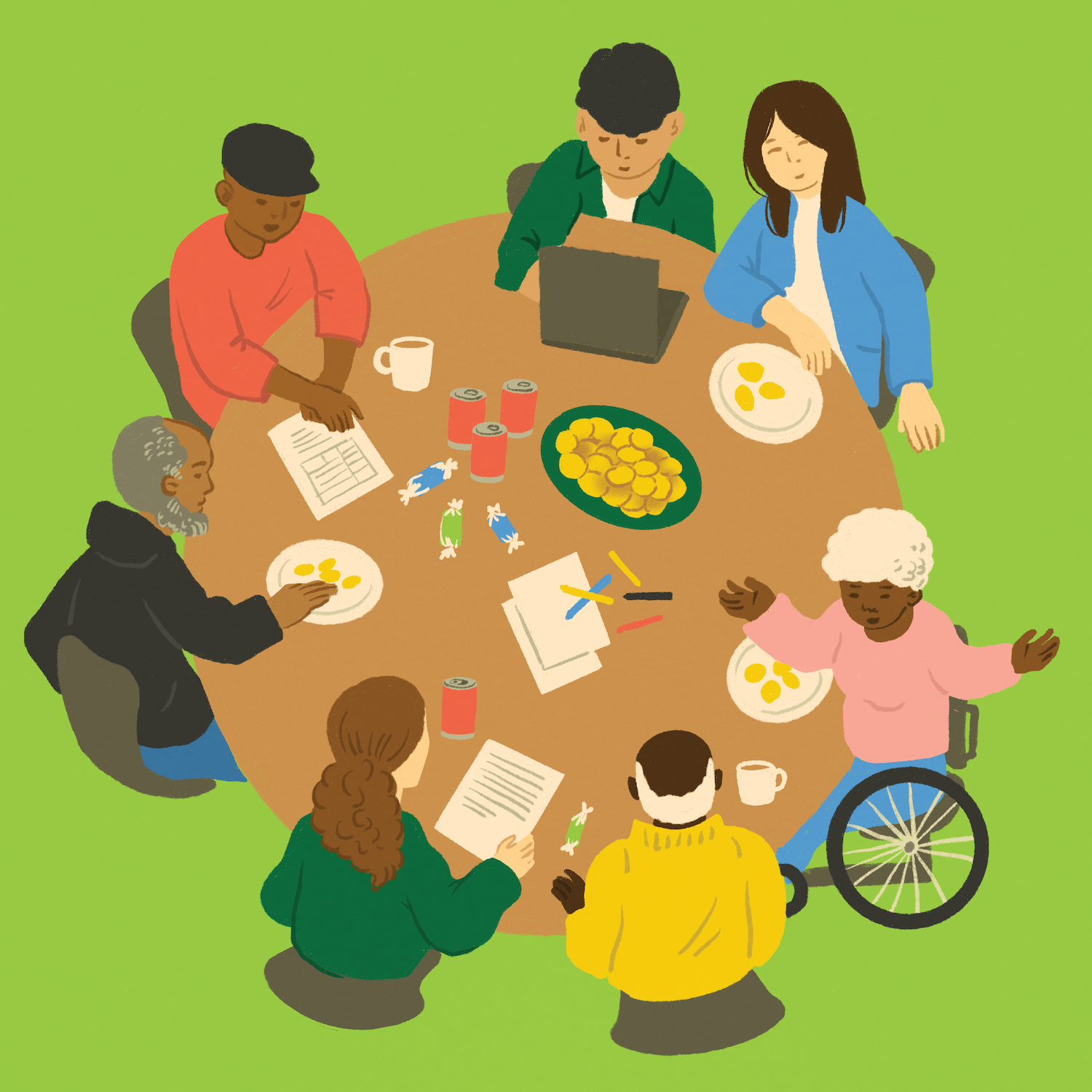
Got Green builds community power by waging visionary campaigns at the intersection of racial, economic, gender and climate justice that incite community participation (via robust base-building), provides a pathway for leadership development for directly impacted communities, and engages in direct action. As our current focus is building power in public housing communities, Got Green historically has built grassroots committees focused on jobs, young leaders, women & food access, and climate justice & displacement.
Before Got Green: Got Green builds off of the work of labor organizers, racial justice organizers, and environmental leaders. We are especially grateful for the Community Coalition for Environmental Justice, who built a legacy of organizing communities of color for environmental justice and generously transitioned their 501c3 status to us.
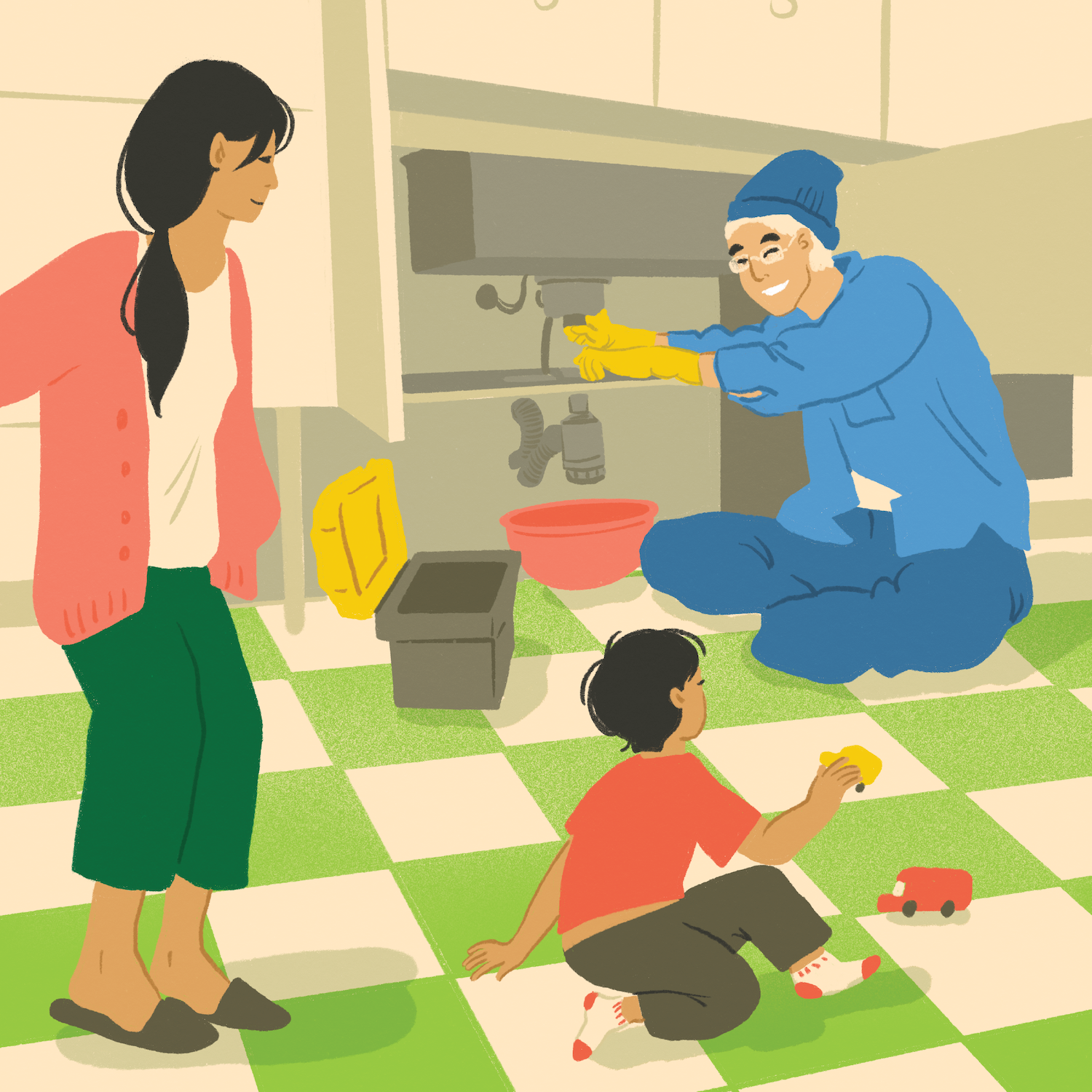
Founding Years (2008-2010): Founded by Michael Woo and Kristyn Joy, Got Green was launched as a program to provide home weatherization job training to workers of color in South Seattle — linking labor, housing, racial justice and climate.
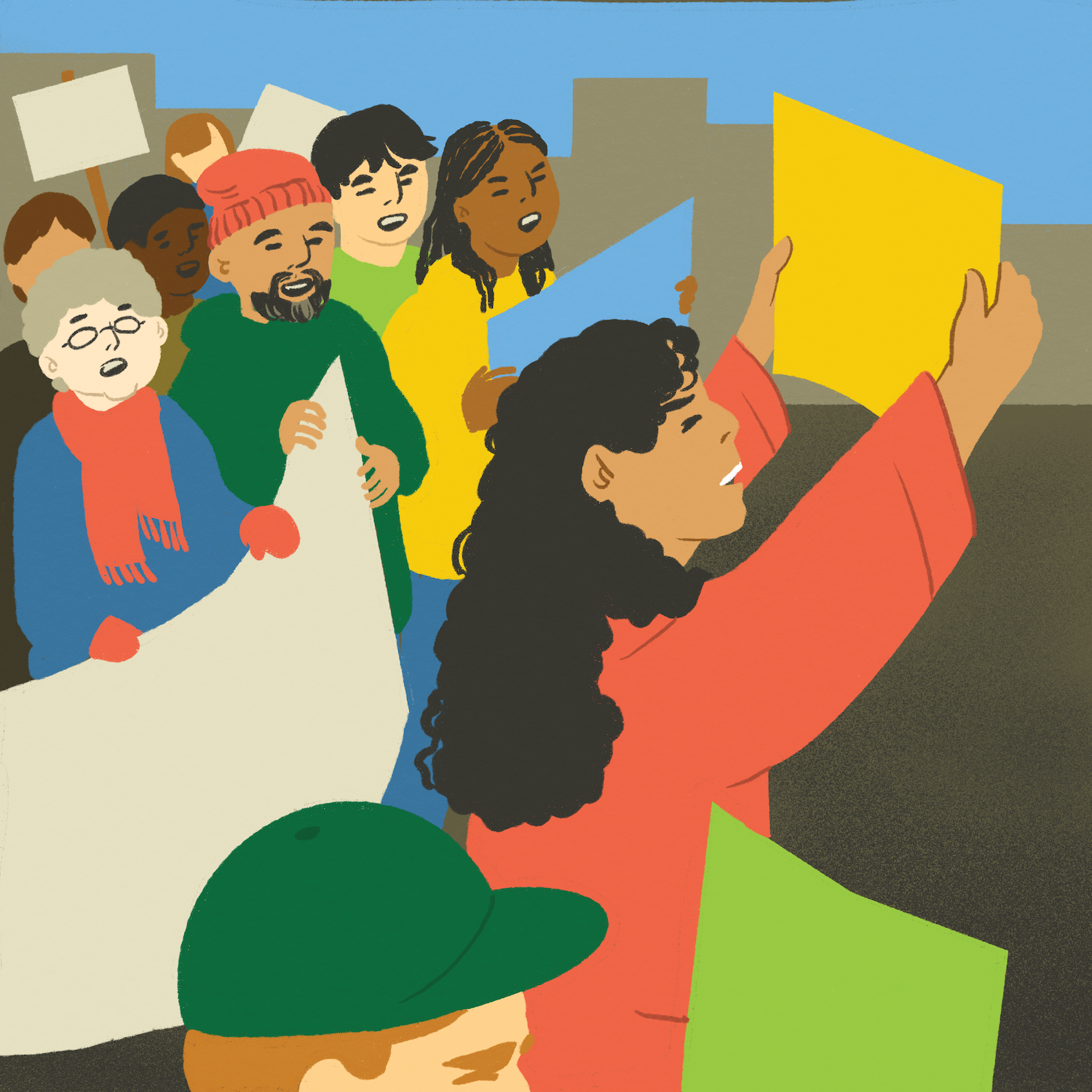
Local Hire (2008-2015): Moving from job training to community organizing, Got Green’s Seattle Jobs Committee built a powerful coalition of over 40 groups and waged a dynamic worker-led campaign that successfully passed the Priority Hire ordinance in Seattle.
Food Access (2011-2018): We founded Women in the Green Economy (which became the Food Access Team). This powerful team went on to win the restoration of the Farmers Market Nutrition Program, the Fresh Bucks program, and made sure revenue from Seattle’s Soda Tax served to close the food security gap.
Green Pathways (2013-2020): Got Green’s Young Leaders committee successfully fought for a resolution with the City of Seattle to create living wage green job internships that lead to careers and positions of leadership for young workers of color.
Passing the Torch (2014): Founding director Michael Woo passed the torch to new Executive Director Jill Mangaliman, which came as a result of two-year plan in which Got Green’s board, staff and activist leaders envisioned and implemented a leadership transition from an older, straight male leader to a younger, queer person of color.
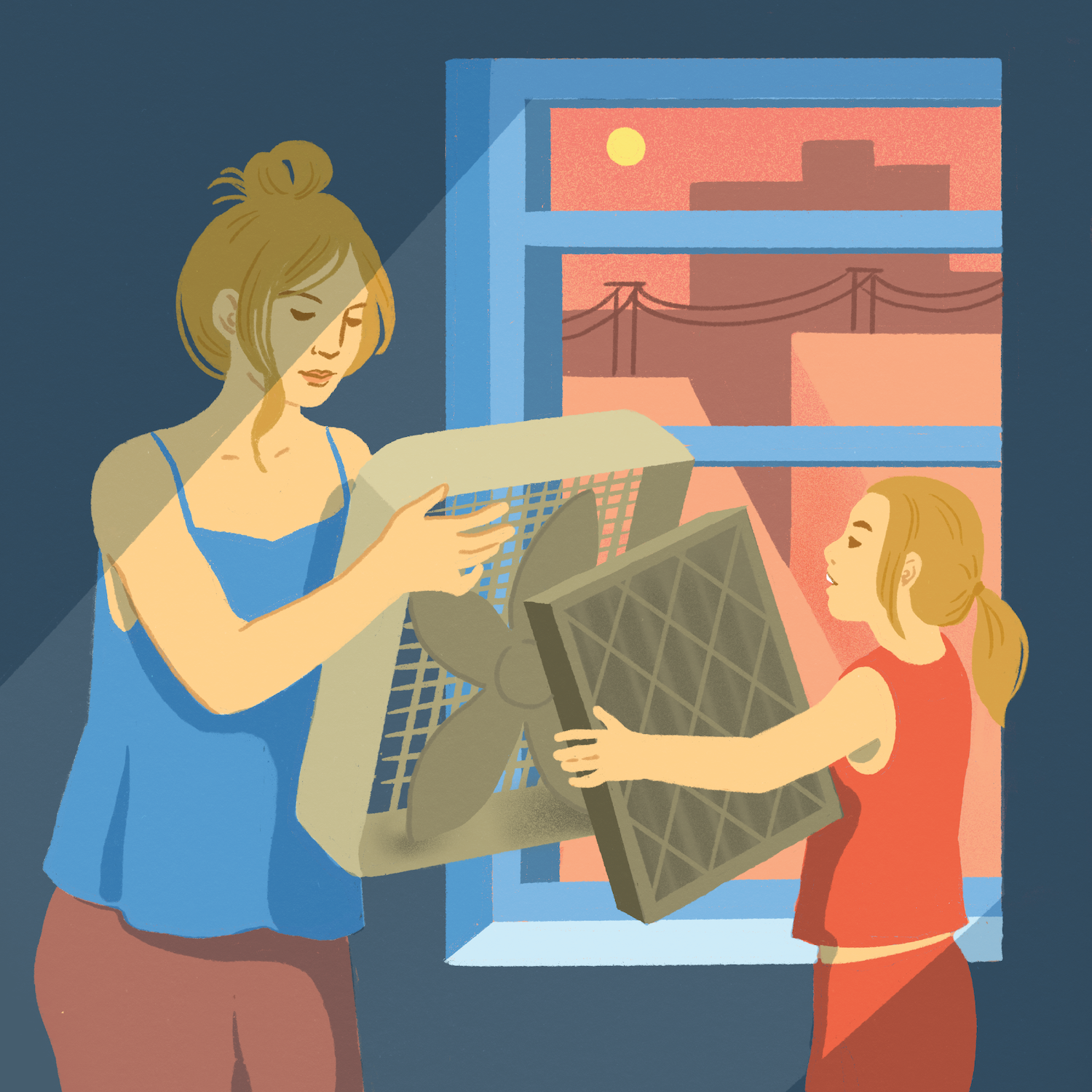
Climate Justice (2015-2021): Got Green and Puget Sound Sage co-authored the landmark community-based report Our People, Our Planet, Our Power outlining a path toward climate resilience in South Seattle. Soon after, GG’s Climate Justice Committee helped launch #DontDisplaceDove and a larger effort to fight displacement with an environmental lens.
Seattle for a Green New Deal (2019): Got Green and 350 Seattle co-launched Seattle’s fight for a Green New Deal - a multi-issue, long-term campaign with a vision of city-wide decarbonization, unionized green jobs, and deep investment in climate resilience. Since launching, GND victories have ranged from establishing the City’s GND Oversight Board to the historic JumpStart Tax that provides initial funding for GND investments.
Building the Movement: Since our founding, Got Green has engaged in and helped build dynamic coalitions, alliances, and movement formations. We learn so much from our movement partners and know our work is only possible with a strong movement.
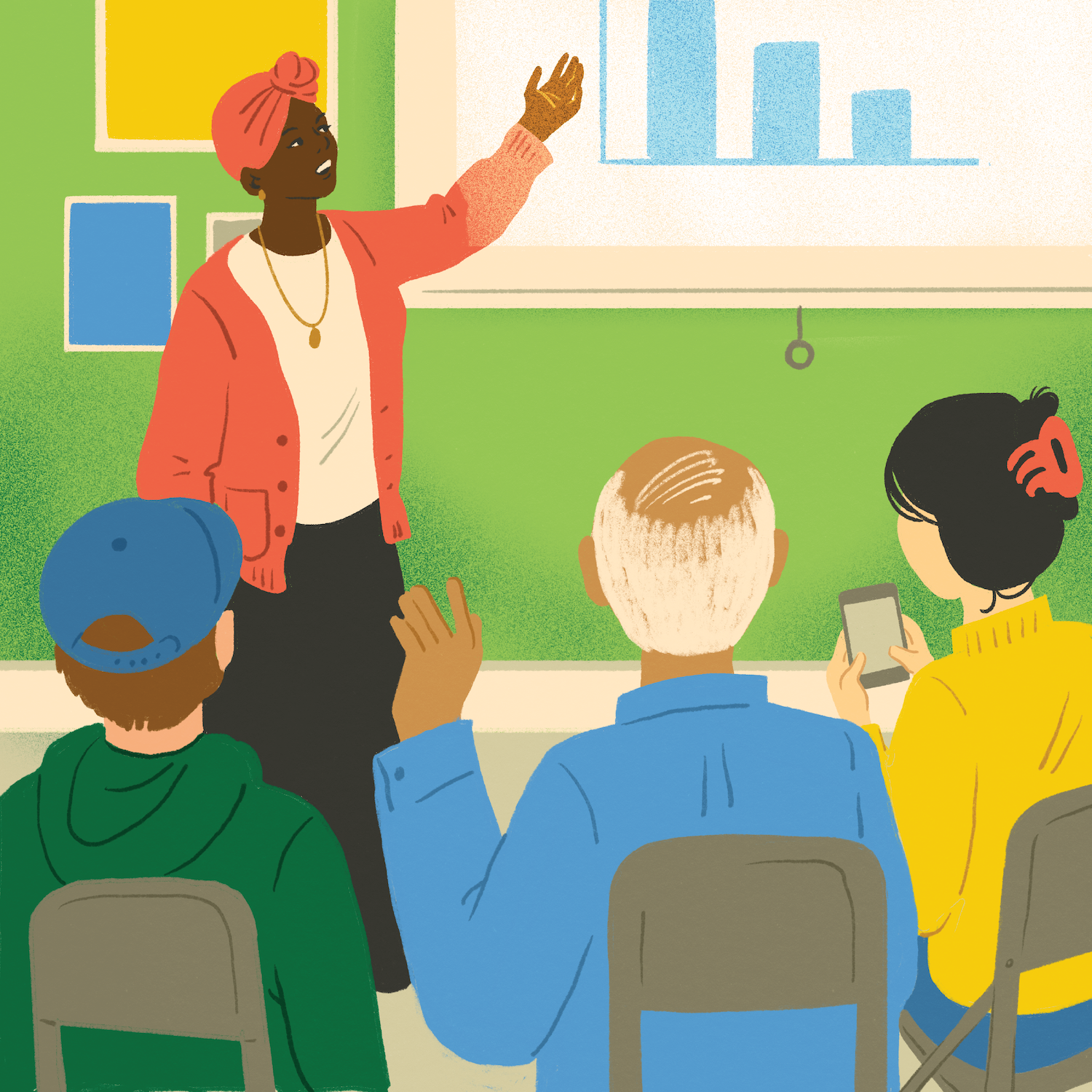
Training & Power: In 2019, Got Green launched our Movement School - a robust leadership development program for Got Green volunteers. The Movement School serves to sharpen the analysis, develop organizing skills, and deepen the strategic capacities.
Structure & Strategy (2020-2025): In the wake of the pandemic, Got Green has taken time to deeply reflect on our organizational structure and strategy. To accompany our introspection and planning, Got Green engaged in a deep listening canvass of south Seattle residents and conducted a series of political landscape interviews with fellow movement leaders to help shape our strategic priorities. This ultimately led to our decision to pursue a long-term effort of organizing public housing tenants in south Seattle and fighting for healthy public housing.